الإنجليزية
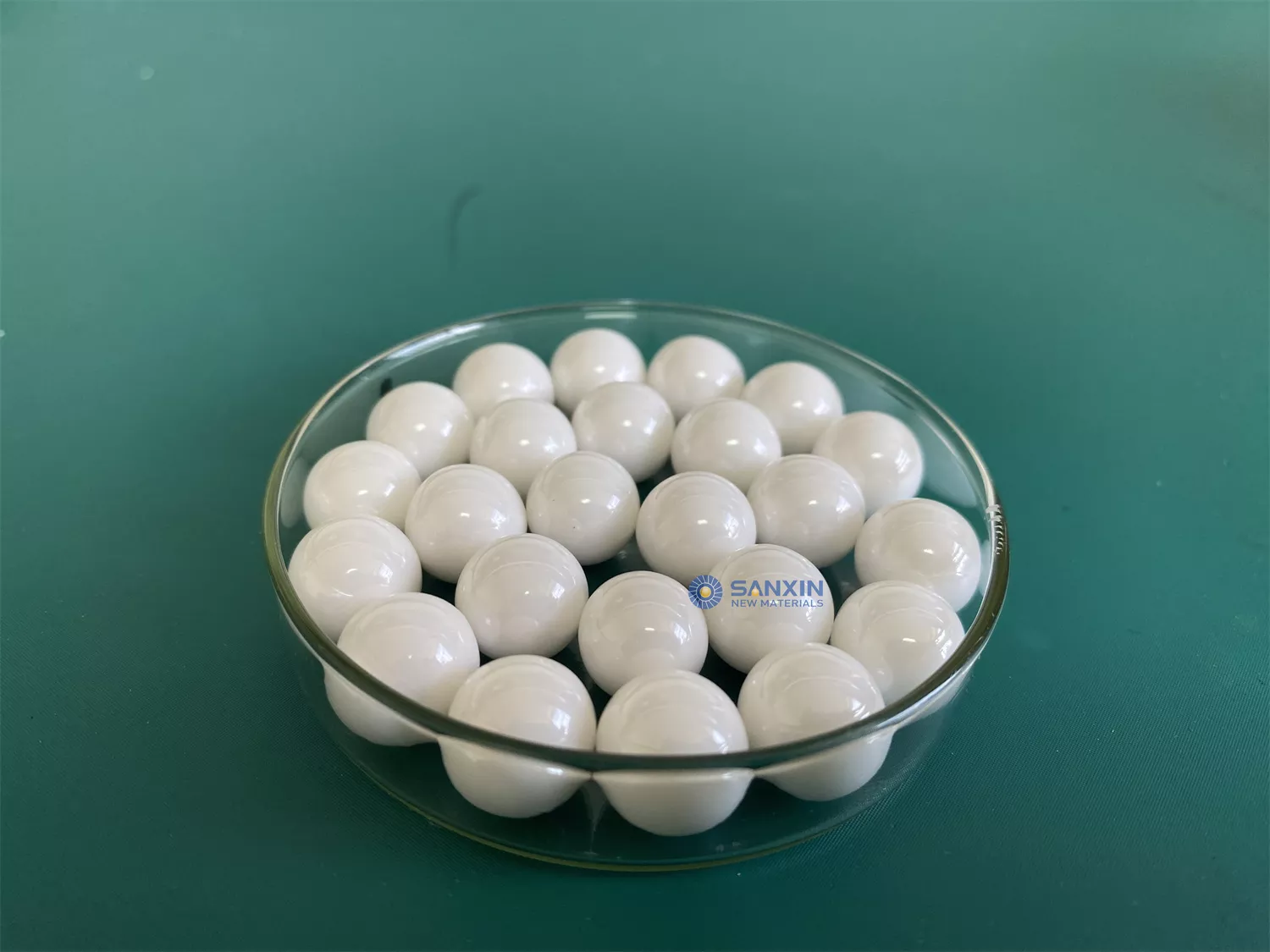
yttria zirconia beads for solid state electrolyte grinding are used when fine grinding must combine efficient energy transfer with controlled wear and low unwanted contamination. A reliable specification connects ceramic composition and bead diameter to the mill, formulation, separator, target particle size, analytical limits, and repeat-order quality.
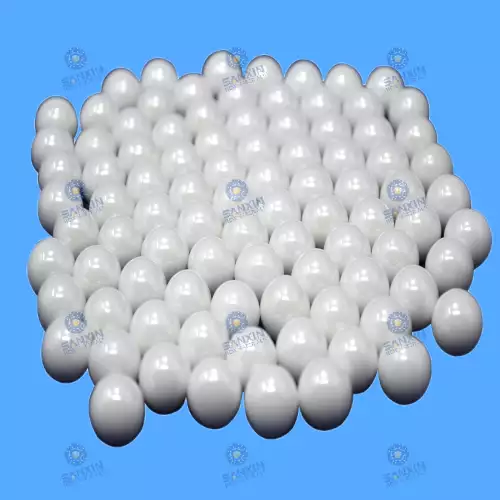
yttria-stabilized zirconia beads combine high density, hardness, fracture resistance, and a smooth surface. Density supports impact and shear inside a bead mill, while controlled microstructure helps reduce abnormal breakage. Buyers should compare processing time, energy, media consumption, cleaning, contamination, and batch repeatability instead of evaluating purchase price alone.
Solid state electrolyte powders can be sensitive to moisture, oxygen, metallic pickup, heat, and broad particle-size distribution. YSZ media offers high density and a polished, wear-resistant surface, but the bead size and processing method must match the electrolyte chemistry, mill chamber, separator, atmosphere control, feed size, and analytical limits.
Share the mill model, chamber volume, rotor type, separator gap, current media, feed particle size, target fineness, slurry viscosity, solids loading, temperature limit, atmosphere requirement, and expected throughput. These details allow a supplier to recommend a realistic bead diameter and trial quantity.
Zirconia composition and stabilizer type
Available bead diameters and size-distribution tolerance
True density, bulk density, hardness, and roundness
Wear-rate method and representative test result
Crushing strength, surface finish, and fragment control
Cleaning, magnetic separation, inspection, and traceability
Net package weight, liner, pallet method, MOQ, and lead time
The bead diameter must remain compatible with the separator and slurry flow. Media that is too large can reduce contact frequency. Media that is too small can increase hydraulic resistance or escape through an unsuitable screen. The practical choice balances energy transfer, circulation, separator safety, and final particle size.
Use one electrolyte lot and keep the atmosphere, solids content, dispersant, mill speed, loading ratio, temperature limit, and sampling intervals constant. Compare milling time, particle-size distribution, specific surface area, temperature, media loss, zirconium pickup, iron pickup, and any chemistry-related change after processing.
Inspect the beads after the test for chipping, flattening, fragments, discoloration, or unusual surface damage. Analyze product samples with the same methods. If contamination is critical, define the measured elements, sampling procedure, detection limit, and acceptance criteria before milling begins.
Incoming inspection can include package condition, lot label, bead-size sampling, visual roundness, density checks, and a short production comparison. Ask whether raw-material purity, forming, sintering, polishing, washing, and final inspection follow documented procedures. Retain an approved reference sample for tightly controlled products.
Supply consistency also depends on packaging and logistics. Heavy ceramic media needs strong liners, suitable pails or bags, pallet weight control, moisture protection, and clear lot identification. For ongoing use, discuss forecast volume, safety stock, lead time, and change-control practices.
Which zirconia composition and stabilizer are used?
Which bead size fits the separator and target particle size?
How is wear measured, and can a sample certificate be supplied?
How are cleaning, contamination control, and lot traceability managed?
What sample quantity, MOQ, packaging, and delivery time are available?
Prioritize verified wear performance, clean production, controlled washing and packaging, stable size distribution, and lot traceability. For moisture-sensitive materials, agree how the sample and production media will be sealed, labeled, and transferred before the trial.
Send the formulation, mill model, separator gap, current media, feed and target particle size, viscosity, solids content, contamination limit, trial quantity, annual demand, and delivery destination. The supplier can then recommend a bead size and prepare a technically useful quotation.

قدم طلبك،
سنتصل بك في أسرع وقت ممكن

شركة سانشين للمواد الجديدة، المحدودة تركز على إنتاج وبيع الخرز الخزفي وأجزاء مثل وسائط الطحن، والخرز الناسف، والكرة الحاملة، والجزء الإنشائي، والبطانات المقاومة للتآكل الخزفي، والجسيمات النانوية المسحوق النانوي


 الإنجليزية
 الروسية
 الفرنسية
 الإسبانية
 البرتغالية
 العربية